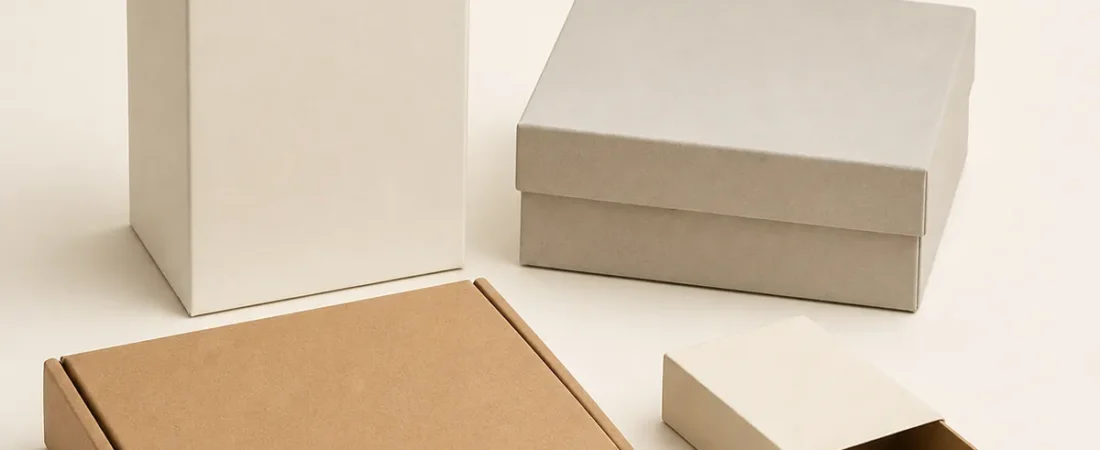
Folding cartons and rigid boxes are both paper-based packaging formats, but they are built, supplied and packed in different ways. A useful comparison looks beyond appearance and considers the product, structural requirements, packing operation, inserts, printing, quantity and logistics.
Neither format is universally better, stronger, less expensive or more sustainable. The appropriate choice depends on the complete package design and the commercial requirements of the project.
Quick Answer: Folding Carton or Rigid Box?
A folding carton is generally made from paperboard that is printed, die-cut, creased and folded. Depending on the design, it may be supplied flat or partially assembled for packing. It can support efficient storage, varied closure structures and broad printing or finishing options.
A rigid box, also called a set-up box, generally uses thicker rigid board that is wrapped with printed or decorative paper or another specified covering. It retains its formed shape and can support presentation-driven structures, fitted components and repeated opening where the design allows.
The decision should be based on product dimensions and weight, fragility, presentation objective, packing method, shipping environment, required inserts, quantity per design and the buyer’s commercial priorities.
What Is a Folding Carton?
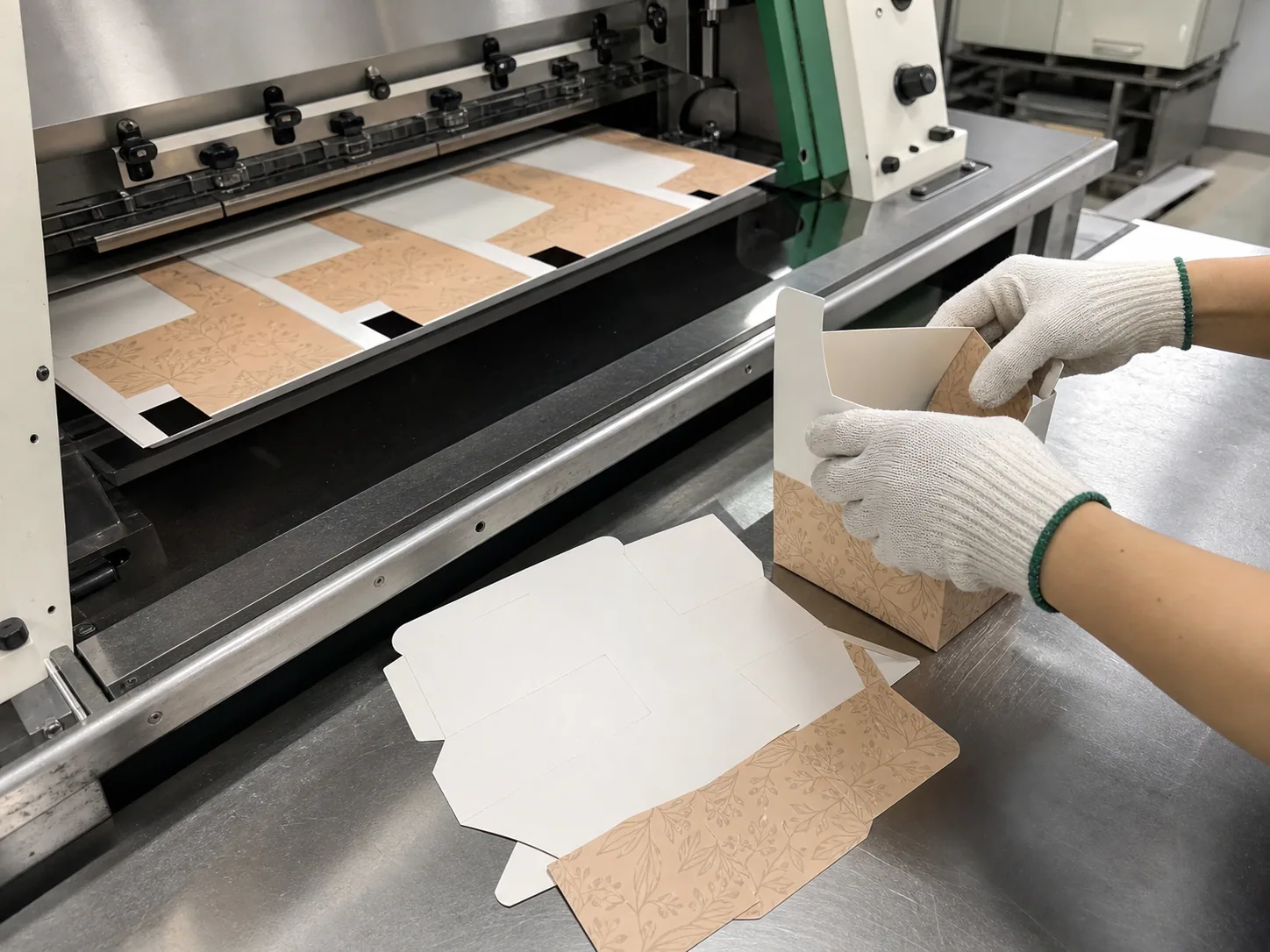
A folding carton is a paperboard package converted from a flat sheet. A typical production route may include printing, coating or finishing where specified, die-cutting, creasing, stripping, folding and gluing. The exact sequence depends on the carton structure and production plan.
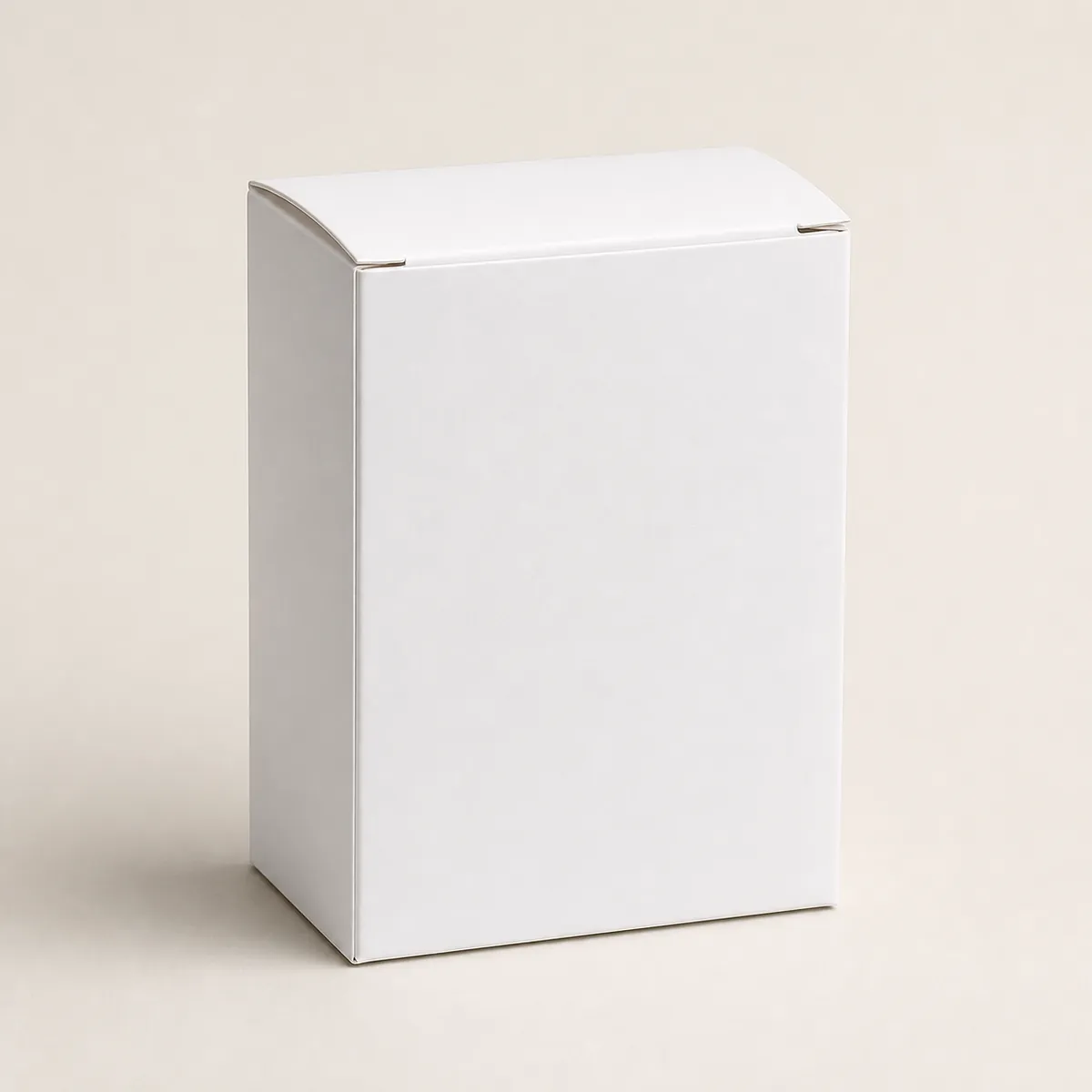
Cartons may use tuck closures, glued seams, locking features, windows, hang tabs or other format-specific details. They may be supplied flat, pre-glued or partly assembled, depending on the structure and the customer’s packing operation. Food, cosmetics, supplements, personal care and consumer goods are common application examples, but suitability must be reviewed for the actual product and distribution conditions.
What Is a Rigid Box?
A rigid box or set-up box generally uses a thicker, non-folding board structure that is cut and assembled before being wrapped with paper or another specified surface material. Common configurations include a separate lid and base, hinged structures, book-style boxes and other formed constructions.
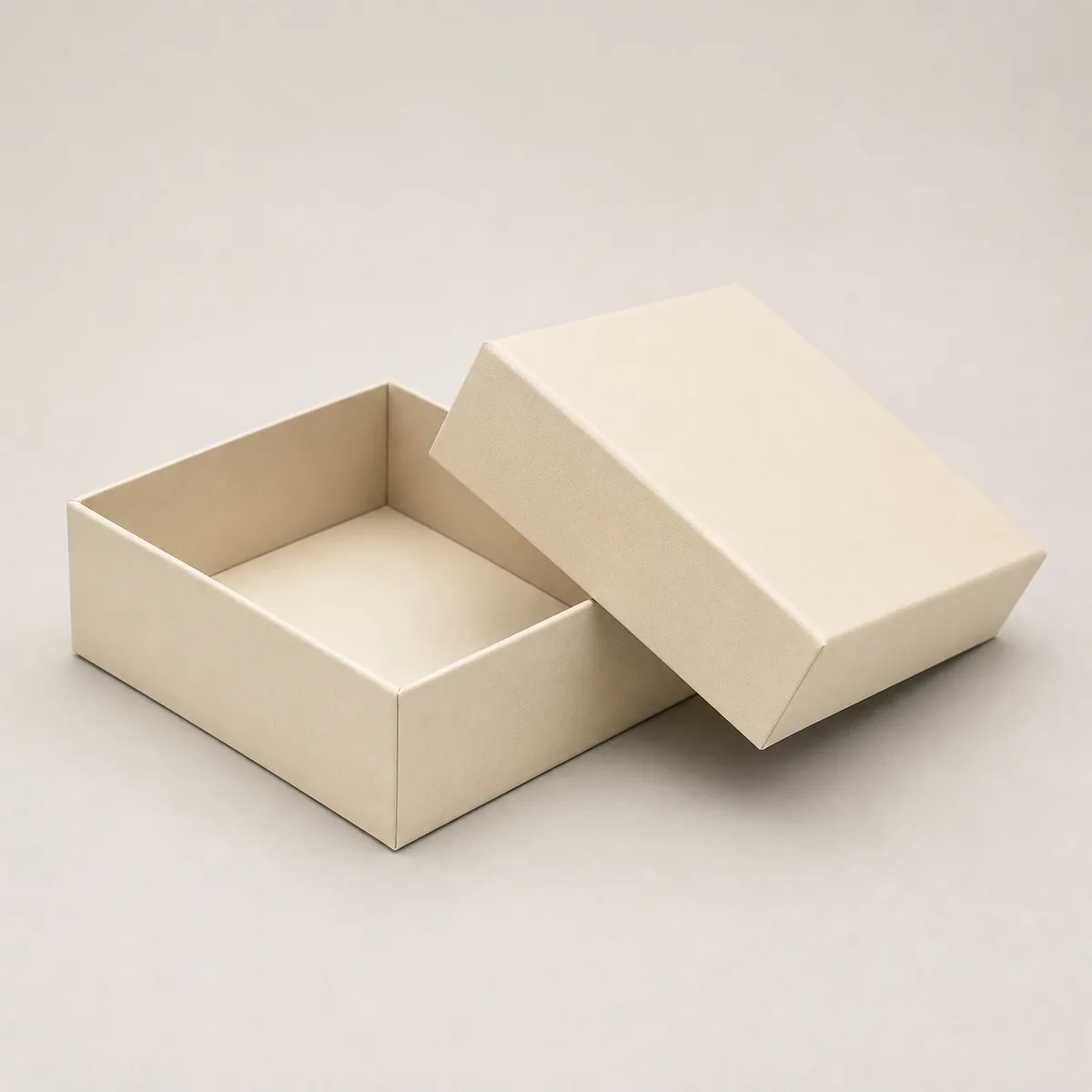
Rigid boxes retain their formed shape rather than being erected from a flat carton blank at the point of packing. Inserts, trays, dividers or presentation components may be considered where appropriate. Rigid construction is often evaluated for gift, cosmetics, specialty food, electronics, accessories and promotional projects, but the format should not automatically be treated as luxury or as suitable for every product.
Folding Carton vs Rigid Box — Side-by-Side Comparison
The table below summarizes typical differences. Each point remains subject to the approved structure, materials, printing, finishing, packing process and project quantity.
| Factor | Folding Carton | Rigid Box | Buyer Consideration |
|---|---|---|---|
| Basic construction | Converted from a creased paperboard blank. | Formed rigid board structure with a wrapped surface. | Match the structure to packing, protection and presentation requirements. |
| Typical board concept | Folding paperboard selected for print, conversion and use. | Thicker rigid board selected for the formed structure. | Board choice depends on dimensions, product and performance objectives. |
| Shipping and storage form | May be supplied flat or partially assembled. | Normally retains its assembled shape. | Review inbound storage, freight and packing-space constraints. |
| Structural rigidity | Depends on board, geometry, closures and inserts. | Uses a more rigid formed board structure. | Evaluate the complete package rather than the format name alone. |
| Presentation | Can provide strong retail graphics and structural variety. | Can support presentation-led formed constructions. | Define shelf, opening and brand-presentation objectives. |
| Printing | Often printed before cutting and folding. | Wrapping paper or surface material may be printed before assembly. | Artwork, substrate, coverage and color expectations affect the route. |
| Decorative finishing | Coatings, foil, embossing or other treatments where appropriate. | Wrapped papers, foil, embossing or other treatments where appropriate. | Confirm compatibility with the selected surface and structure. |
| Inserts | Paperboard dividers, trays or other suitable inserts may be integrated. | Fitted trays, dividers or presentation components may be added. | Insert material and geometry depend on product, protection and packing. |
| Assembly and packing | May require carton erection, closing or gluing at packing. | Arrives formed but may require inserting, loading and closing steps. | Review equipment, labor, sequence and pack-out requirements. |
| Tooling | Usually requires a structure-specific cutting and creasing plan. | May require board cutting, wrapping and component tooling or fixtures. | Tooling depends on final geometry and production method. |
| Project quantity | Economics depend on structure, print, finishing, SKUs and quantity. | Economics depend on construction, wrapping, assembly, SKUs and quantity. | Provide total quantity and quantity per design; no universal MOQ ranking applies. |
| Logistics | Flat supply can reduce cube in some projects. | Formed construction requires different storage and shipping planning. | Compare the complete inbound and outbound logistics plan. |
| Common applications | Retail, food, cosmetics, supplements and consumer goods examples. | Gift, cosmetics, specialty food, accessories and promotional examples. | Application examples do not replace product-specific review. |
Construction and Materials
Folding-carton construction starts with paperboard that can be printed and converted along defined cut and crease lines. Board type, caliper, grain direction, coatings and surface requirements can affect printing, folding, stiffness and packing performance. A window or insert introduces additional material and assembly considerations.
Rigid-box construction generally separates the structural board from the visible wrap. The board provides the formed base, lid or other geometry, while the wrap contributes color, texture and finish. Corners, wrapped edges, clearances and component alignment require structure-specific planning.
Because designs vary, buyers should provide an existing approved specification or describe the required product fit, appearance, protection and handling. Material names alone do not define the complete performance of either package.
Structural Protection
Protection depends on the complete package system: board, geometry, dimensions, closures, inserts, product weight, fragility, distribution environment and secondary packaging. A rigid box may offer a more formed and rigid structure, but it does not eliminate the need to evaluate product movement, impact exposure or shipping protection.
A folding carton is not inherently insufficient for protection. Structural features, board selection, internal fit and secondary packaging can materially affect performance. Buyers should define the protection objective and identify whether retail handling, parcel distribution, pallet shipment or another environment applies.
Shelf Presentation and Unboxing
Folding cartons can support high-impact graphics, efficient shelf facings, windows, hang features and varied opening styles. Their lighter converted structure may suit retail programs where storage, packing speed and shelf presentation must be balanced.
Rigid boxes can support a formed opening experience, separate lid and base, hinged presentation or fitted components. That does not automatically make the format premium; the result depends on proportions, wrap quality, printing, finishing, inserts and assembly.
Buyers should define what the package must communicate at first view, how the user should open it and whether the package is intended for repeated storage or a single retail opening.
Printing and Decorative Finishes
Printing and finishing should be evaluated against the selected board or wrap, artwork, quantity and production route. Project-dependent options may include offset printing where applicable, process or spot-color requirements, coatings, matte or gloss effects, foil stamping, embossing, debossing, windows and specialty papers.
No method or finish is universally superior. Fine detail, heavy coverage, surface texture, folds, wrapped edges and registration expectations can affect the approved artwork and manufacturing plan. Buyers can review the broader comparison in Packaging Printing Options while recognizing that paper packaging uses its own substrate and conversion requirements.
Inserts and Product Organization
Inserts can position products, separate components, support presentation or reduce movement. Depending on the approved project, options may include paperboard inserts, dividers, trays or other specifically reviewed structures. Not every insert material or geometry is appropriate for every product or package.
Insert design should consider product dimensions and weight, loading direction, removal, protection, presentation, packing labor and material requirements. The outer box and insert should be developed as one system rather than selected independently.
Packing, Storage and Shipping Considerations
Package construction affects storage volume, inbound freight, assembly, pack-out space, finished-package cube and secondary cartons. Folding cartons supplied flat may provide logistical advantages in some projects, but the actual result depends on carton dimensions, pack density, assembly method and shipping route.
Rigid boxes retain their formed shape, so they require a different storage and transport plan before filling. That may be acceptable where presentation, packing sequence or product requirements support the format. Buyers should compare the complete logistics process rather than assume a universal freight or storage-cost outcome.
Quantity, Tooling and Production Planning
Project economics are shaped by the structure, board or wrap, printing, decorative finishing, tooling, inserts, assembly, number of SKUs and quantity per design. Neither folding cartons nor rigid boxes have one universal minimum order quantity.
Buyers should provide the estimated total quantity, quantity for each SKU, number of designs and expected reorder pattern where useful. See Packaging MOQ: What Determines Minimum Order Quantity? for a broader explanation of tooling, SKU and production variables.
Timing also depends on specification approval, structural development, artwork, materials, tooling, samples, production and delivery planning. The Packaging Lead Times Guide explains why a target date must be evaluated against the actual project sequence.
Which Format Fits Different Applications?
A folding carton may be appropriate when flat supply, retail graphics, efficient storage, carton-erection workflow or a lighter paperboard structure supports the project. A rigid box may be considered when the product, presentation target, formed structure, repeated opening or fitted components support that route.
Useful decision questions include:
- Does the empty package need to ship or store flat?
- What structural rigidity and secondary protection are required?
- How important are shelf presentation and the opening experience?
- Will an insert or divider be required?
- How will the product be loaded and closed?
- Which printing and finishing requirements apply?
- What are the total quantity, quantity per SKU and number of designs?
- What storage, shipping and destination constraints apply?
The Paper Packaging capability page provides additional context for cartons, rigid boxes and other paper-based structures.
Common Selection Mistakes
- Choosing a format only from appearance without considering packing or shipping.
- Assuming every rigid box is automatically premium or damage-proof.
- Assuming a folding carton cannot provide structural or presentation value.
- Requesting a quote without product dimensions, weight or quantity.
- Selecting an insert independently from the outer box and loading method.
- Specifying finishes before confirming their compatibility with the board or wrap.
- Comparing total quantity without stating the quantity for each SKU.
- Ignoring empty-package storage and pack-out requirements.
- Treating a target delivery date as a guaranteed production commitment.
Buyer Decision Checklist
Use this checklist to organize the format discussion. Provide the information currently available and identify open items rather than filling gaps with assumptions.
| Question | Why It Matters |
|---|---|
| What product will the package hold? | Defines the application, handling and compatibility context. |
| What are the product and target package dimensions? | Establishes the structural size and product fit. |
| What is the product weight and fragility? | Supports board, insert and protection review. |
| What presentation objective should the package support? | Clarifies shelf, gift, opening and brand requirements. |
| What protection is expected? | Frames outer structure, insert and secondary-packaging decisions. |
| How will the product be packed? | Connects structure to equipment, labor and closure steps. |
| Must empty packaging ship or store flat? | Highlights inbound cube and assembly considerations. |
| What printing is required? | Defines artwork, color, coverage and substrate review. |
| What decorative finishes are being considered? | Supports compatibility and production planning. |
| Is an insert or divider required? | Affects product fit, presentation, protection and pack-out. |
| What are the total quantity and quantity per SKU? | Establishes the commercial and production basis. |
| How many SKUs or designs are included? | Shows how volume is divided across artwork versions. |
| What is the target timing? | Supports planning without creating a delivery guarantee. |
| Where will finished packaging be delivered? | Supports packing, freight and destination review. |
For a broader project-input framework, use the Packaging Specification Checklist for a New B2B Project.
What Information to Include in an RFQ
A paper packaging inquiry is more useful when the buyer provides the information already known about the product, preferred format, dimensions, product weight where relevant, printing, finish, insert requirement, total quantity, quantity per SKU, number of designs, artwork status, target timing and destination.
Not every field must be finalized before the first discussion. Clearly label unknown items and include an existing sample, drawing or specification where available. Manufacturing and Quality provide additional context for production workflow and inspection planning. The Packaging Quality Control Guide can help buyers define approvals and review criteria.
FAQ
What is the main difference between a folding carton and a rigid box?
A folding carton is generally converted from paperboard that is printed, die-cut, creased and folded, and it may be supplied flat or partially assembled. A rigid box generally uses thicker rigid board that is assembled into a formed structure and wrapped with paper or another specified surface material. Exact constructions vary by design.
Are rigid boxes stronger than folding cartons?
Rigid boxes use a more rigid formed board structure, but package protection cannot be determined from the format name alone. Board, geometry, dimensions, inserts, product weight, fragility, distribution environment and secondary packaging all affect performance. A folding carton may provide appropriate protection when developed for the actual application.
Which format is better for premium packaging?
Neither format is automatically premium. Folding cartons can support sophisticated printing, finishing and structural design, while rigid boxes can support formed presentation and fitted components. The result depends on material, proportions, artwork, finishing, workmanship and the intended customer experience.
Can folding cartons include inserts or windows?
They can include suitable inserts, dividers, trays, windows or other structural features where the design, material and production route support them. The feature should be evaluated against product fit, protection, packing, display and applicable material requirements.
Which format is easier to store and ship?
Folding cartons supplied flat may reduce empty-package storage and inbound cube in some projects. Rigid boxes normally retain their formed shape and require a different logistics plan. The actual comparison depends on package dimensions, pack density, assembly, secondary cartons, route and destination.
Does a rigid box always cost more than a folding carton?
No universal cost ranking applies. Cost depends on board and wrap materials, structure, dimensions, printing, finishing, tooling, inserts, assembly, total quantity, quantity per SKU and logistics. Both formats should be quoted against the same approved project requirements.
What information should I provide when requesting a paper packaging quote?
Provide the information currently available about the product, preferred format, dimensions, product weight where relevant, printing, finish, inserts, total quantity, quantity per SKU, number of designs, artwork status, target timing and destination. Identify any item that remains open for discussion.
Related Packaging Guides
- Packaging Printing Options: Rotogravure, Flexographic & Digital Explained
- What Packaging Quality Control Should Buyers Review?
- Packaging MOQ: What Determines Minimum Order Quantity?
- Packaging Lead Times: What Affects Your Project Schedule?
- Packaging Specification Checklist for a New B2B Project
Request a Quote
To discuss a custom paper packaging project, provide the information currently available about the product, preferred format, dimensions, printing, finishes, inserts, quantity, number of designs, artwork status, timing and destination.
Unknown items can be identified for review rather than treated as mandatory answers. Submit the project through Request a Quote so folding-carton, rigid-box or other paper packaging options can be discussed against the actual requirements.