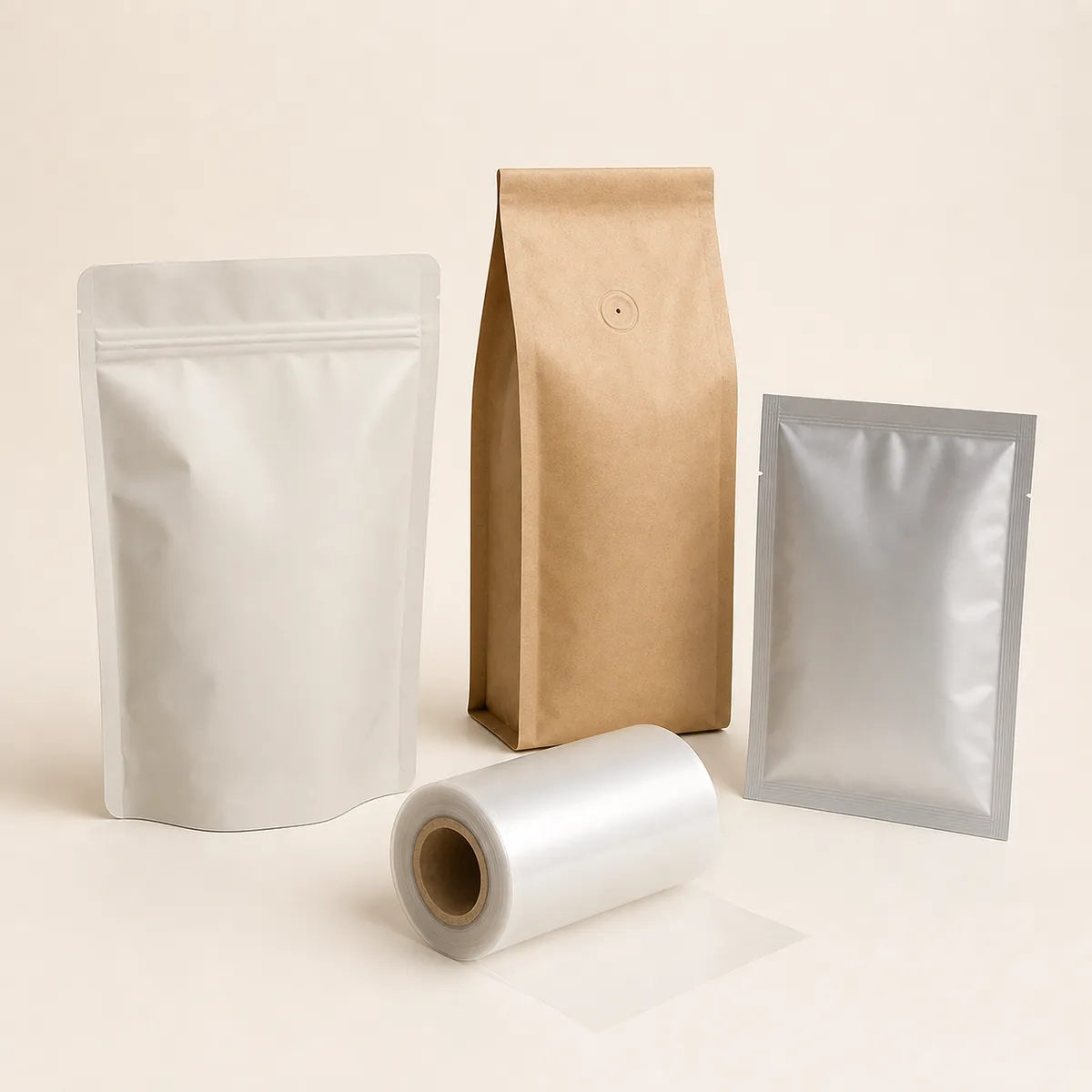
Packaging minimum order quantity is not one fixed number that applies to every project. A realistic MOQ depends on the complete packaging specification, including the format, dimensions, materials, printing, tooling, components, number of designs and production requirements.
This guide explains the commercial and manufacturing factors that can influence packaging MOQ. It is designed to help B2B buyers prepare a clearer request for quotation, compare proposals on an equivalent basis and understand why a supplier may need more project information before confirming a minimum quantity.
Quick Answer: What Determines Packaging MOQ?
Packaging MOQ is usually determined by the combination of the package specification and the production route. The same nominal format can require different materials, tooling, printing preparation, closures and converting steps, so two projects that appear similar may not have the same practical minimum.
Buyers can support a more accurate review by providing the packaging format, finished dimensions, material or barrier requirements, printing method if known, number of colors, quantity per SKU, closures or valves, artwork status and target timing. The practical minimum should be evaluated from those requirements rather than from a universal number.
- Define the package before comparing minimum quantities.
- Separate total order quantity from quantity per design or SKU.
- Review material, printing and component requirements together.
- Consider setup and tooling alongside unit economics.
- Share realistic forecasts when repeat orders are expected.
What Does MOQ Mean in Packaging?
MOQ means minimum order quantity: the smallest quantity a supplier can practically accept for a defined packaging project under a particular manufacturing and commercial setup. It is not simply a sales preference. It can reflect minimum material purchases, printing preparation, machine setup, tooling, converting efficiency, component sourcing, inspection and production scheduling.
The definition must be tied to a specification. An MOQ for an unprinted stock pouch is not directly comparable with an MOQ for a custom printed flat-bottom bag with a valve. Likewise, a total program quantity divided among several artwork versions may create a different production situation from one design using the same total quantity.
Why Packaging Does Not Have One Universal MOQ
Packaging combines materials, equipment and project-specific preparation. A supplier may need to procure a minimum amount of film, paperboard, tinplate, closures or other components. Printing may require cylinders, plates, color setup or digital-file preparation. Converting then turns those materials into the finished pouch, carton, rollstock or tin.
Because each requirement affects the production path, one universal MOQ would ignore the differences among projects. A useful quotation therefore identifies what is being made, how many designs are involved and which requirements are essential before the minimum is confirmed.
Packaging Format
Format affects how a package is produced and which equipment, materials and components are required. Stand-up pouches, flat-bottom pouches and side-gusset bags use different constructions and converting steps. Rollstock is supplied for use on filling equipment and may be evaluated according to web width, repeat length, winding and machine compatibility. Paper packaging and metal packaging have their own forming, printing and tooling considerations.
Even within one format, features can change the production route. A standard stand-up pouch and a shaped pouch are not equivalent. A flat-bottom bag with a valve differs from a basic bag without one. Buyers comparing flexible formats can review the Pouch Format Selection Guide and the Flexible Packaging capability page.
Materials and Barrier Structure
Material availability and laminate construction can influence commercial minimums. A common film structure may be available through an established supply route, while a specialty film, foil or paper-based structure may require a different procurement quantity or production plan. The effect is project-specific: a particular material should not automatically be described as having a higher or lower MOQ without reviewing the supplier, specification and application.
Barrier requirements can also affect the structure. Oxygen, moisture, light, aroma, chemical compatibility and seal performance may lead to different layer combinations. Buyers should first define the product and distribution requirements, then evaluate a suitable structure rather than selecting a material only because it appears easier to source.
The Packaging Barrier Structure Guide explains how performance requirements relate to a complete construction. The Flexible Packaging Materials Guide describes the roles that PET, PE, BOPP, foil and paper may perform within that construction.
Printing Method and Tooling
Printing method affects setup, tooling and production economics. Rotogravure commonly uses engraved cylinders, while flexographic printing uses plates. Those tools are prepared for the approved artwork, colors and repeat dimensions. Digital printing uses a different preparation route and may be useful for some shorter or versioned programs, but it should not be assumed to deliver the lowest MOQ or lowest cost for every package.
The appropriate method depends on the format, material, image requirements, color expectations, quantity, number of versions and repeat-order plan. A repeat production run may reuse approved tooling when it remains suitable, while a size or artwork change can require new preparation. The Packaging Printing Options Guide compares the methods without assigning universal volume breakpoints.

Package Size and Dimensions
Finished dimensions influence material use, layout on the production web or sheet, tooling and machine setup. A small pouch does not automatically have a low MOQ, because the production requirement may be governed by material width, printing repeat, converting efficiency or component sourcing rather than by the amount used in one finished package.
Accurate dimensions also matter for quoting. Width, height, gusset, seal areas, zipper position, valve location, carton depth and tin geometry can affect the production route. Buyers should provide a drawing, sample or clear dimensional specification and identify the intended fill weight or product fit when relevant.
Closures, Valves and Other Components
Zippers, one-way degassing valves, spouts, caps, tear features, windows, handles, fitments and specialty closures introduce additional sourcing and converting requirements. A component may have its own supplier minimum, compatible material requirements or placement constraints. It may also require a separate machine operation or inspection point.
Component feasibility should be reviewed with the package structure and intended use. A valve for coffee packaging, for example, is not simply a decorative add-on; its type, location and compatibility must be considered with the bag and filling process. Buyers should identify required features early so the quotation reflects the actual package.
Multiple SKUs and Artwork Versions
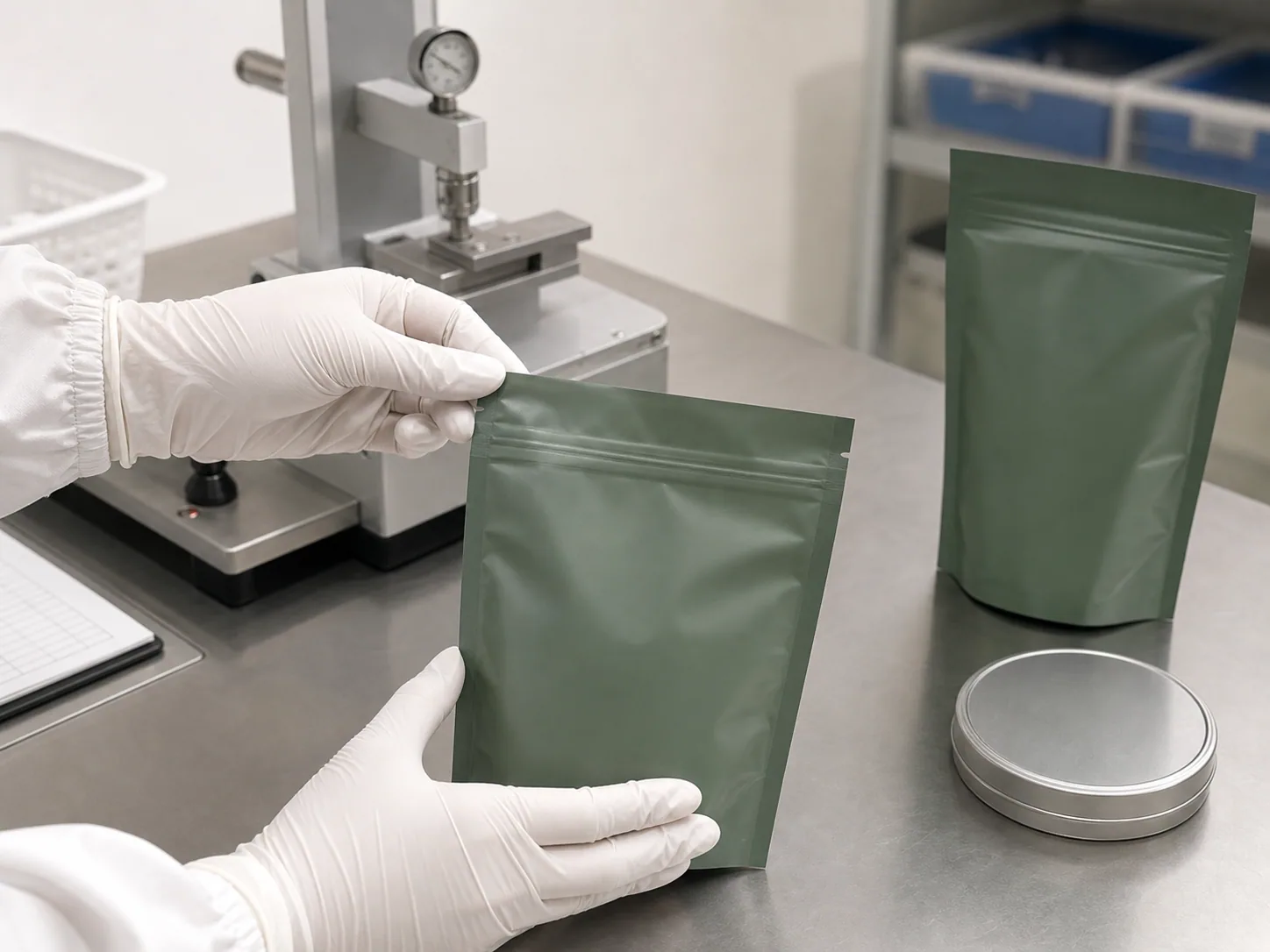
Total order quantity and quantity per SKU are different. A buyer may have a meaningful total production quantity but divide it among several flavors, sizes, languages or artwork designs. That division reduces the quantity available for each version and can create additional print setup, plate or cylinder requirements, changeovers, identification and packing work.
Projects that share dimensions, materials, structures and components may sometimes offer more efficient planning than completely different packages. However, shared specifications do not automatically remove per-design constraints. Feasibility remains dependent on the printing route, artwork, production sequence and approved supplier requirements.
For an accurate review, buyers should state both the total quantity and the quantity requested for every SKU or design. Artwork versions should be clearly named and controlled so the supplier can determine which elements are common and which require separate preparation.
Production and Material Procurement
Material suppliers may have minimum purchase quantities, standard widths, production schedules or lead-time considerations. Packaging production also requires machine setup, approved materials, printing preparation, converting, inspection, packing and coordination with other scheduled work. These factors can shape the practical minimum for a project.
Production efficiency does not mean every project must be maximized for volume. It means the specification should fit a commercially workable manufacturing plan. Clear forecasts and repeat-order expectations can help the supplier understand the program, but a forecast is not a substitute for an approved order and does not guarantee a particular MOQ.
The Manufacturing page outlines the broader workflow from project review and sampling through production, inspection, packing and shipment.
MOQ vs Unit Cost
A lower quantity does not automatically produce a proportionally lower total cost. Setup, tooling, material procurement, production preparation and inspection may be spread across fewer finished units. In some projects, a higher quantity can improve unit economics by distributing those fixed or semi-fixed requirements across more packages.
That does not mean the largest possible order is always the best sourcing decision. Buyers should consider forecast confidence, inventory carrying cost, artwork stability, product demand, storage, cash flow and the risk of obsolete packaging. The objective is a commercially appropriate order quantity for the program, not simply the lowest quoted unit price.
MOQ, unit cost and total project cost should therefore be reviewed together. A quotation should make clear which specification and quantity assumptions apply so competing proposals can be compared on a like-for-like basis.
How Buyers Can Prepare for a Lower-Volume Project
When a project requires a lower initial quantity, buyers can improve the review by distinguishing essential requirements from optional complexity. Possible approaches include using common dimensions where suitable, reducing unnecessary SKU fragmentation, considering available material structures, evaluating printing options and consolidating artwork versions.
Buyers can also provide realistic repeat-order expectations and prioritize early artwork approval. These steps may make production planning clearer, but they do not guarantee that a supplier can offer a lower MOQ. Package performance, fit, product protection and commercial feasibility should not be compromised merely to reach a smaller number.
- Confirm the format and dimensions before requesting the quote.
- Separate essential barrier or functional needs from preferences.
- Provide quantity per SKU, not only the total program quantity.
- Ask which printing and material options are feasible for the project.
- Identify closures, valves and special features at the start.
- Share artwork readiness and realistic repeat-order expectations.
Common Packaging MOQ Mistakes
- Asking “What is your MOQ?” without providing a package specification.
- Comparing minimum quantities without comparing formats, materials and features.
- Focusing on total quantity while ignoring quantity per SKU or design.
- Assuming every pouch format has the same production requirements.
- Assuming digital printing automatically solves every low-volume project.
- Ignoring tooling, component sourcing and material procurement.
- Changing dimensions, structures or artwork after the MOQ is quoted.
- Using an unconfirmed forecast as if it were a committed order.
- Focusing only on MOQ instead of unit economics and total project risk.
Packaging MOQ Checklist
| Information | Why It Affects MOQ |
|---|---|
| Packaging format | Determines the converting route, equipment and structural requirements. |
| Dimensions | Affects material layout, tooling, repeat length and machine setup. |
| Material or barrier | Influences procurement, laminate construction and production planning. |
| Printing method | Changes preparation, tooling and production economics. |
| Colors | Can affect print setup, tooling and approval requirements. |
| Number of SKUs | Identifies how many separate artwork versions must be produced. |
| Quantity per SKU | Shows the actual production quantity available for each design. |
| Closures or valves | May introduce component sourcing and additional converting operations. |
| Special features | Windows, handles, fitments or special shapes may alter the production route. |
| Artwork status | Determines whether print preparation and approval can proceed. |
| Target timing | Helps evaluate material availability and manufacturing scheduling. |
| Repeat-order expectations | Provides planning context without replacing a committed order. |
This checklist supports RFQ preparation. It does not establish a guaranteed minimum quantity for any packaging project.
FAQ
What does MOQ mean in packaging?
MOQ means minimum order quantity. It is the smallest quantity a supplier can practically accept for a defined package specification and production route. The number may reflect materials, printing, tooling, components, converting and scheduling.
Why do packaging suppliers have minimum order quantities?
Packaging production requires material procurement, equipment setup, printing preparation, converting, inspection and packing. Suppliers may also need to meet minimum purchases for films, paperboard, metal or components. These requirements can make very small production runs commercially impractical.
What determines the MOQ for custom packaging?
The format, dimensions, material structure, printing method, tooling, colors, quantity per design, closures, special features and production plan can all influence MOQ. The complete specification must be reviewed before a practical minimum is confirmed.
Does printing method affect packaging MOQ?
It can. Rotogravure, flexographic and digital printing use different preparation, tooling and production processes. The appropriate method depends on the package, material, artwork, quantity and number of versions; no method should be assumed to have the lowest MOQ for every project.
Does each packaging design or SKU have its own MOQ?
Quantity per design is an important consideration because each artwork version may require separate preparation or production handling. Shared dimensions, materials or components may sometimes support planning, but feasibility remains project-specific.
Can packaging MOQ be reduced?
Some projects may benefit from simpler specifications, fewer artwork versions, common dimensions, available material structures or a different printing route. These approaches do not guarantee a lower MOQ and should not compromise package performance or commercial requirements.
What information should I provide to get an accurate MOQ?
Provide the package format, dimensions, material or barrier requirements, total quantity, quantity per SKU, number of designs, printing expectations, closures or special features, artwork status, intended application and target timing.
Related Packaging Resources
- Pouch Format Selection Guide
- Packaging Barrier Structure Guide
- Flexible Packaging Materials Guide
- Packaging Printing Options Guide
- Packaging Quality Control Buyer Checklist
- Flexible Packaging
- Manufacturing
- Quality
Request a Quote
To evaluate MOQ for a packaging project, provide the packaging format, dimensions, material or barrier requirements, total quantity, quantity per SKU, number of designs, closures or special features, artwork status and target timing. Submit the project through Request a Quote. The practical minimum can be reviewed only after the project requirements are understood.