Custom packaging lead time is not one universal number. It is the result of a project schedule that begins with a defined specification and continues through quotation, artwork approval, sampling where required, material preparation, production, quality review and shipping.
This guide explains the stages and variables that packaging buyers should review when planning a custom packaging order. It helps procurement teams, brand owners, launch teams and operations teams distinguish production lead time from the total time needed to move a packaging project from initial requirements to delivery.
Quick Answer: What Affects a Packaging Project Schedule?
A packaging project schedule depends on the format, specification completeness, material structure, artwork readiness, printing and tooling requirements, number of SKUs, closures or components, sampling plan, production sequence, approval timing and shipping destination. A supplier cannot evaluate timing accurately from the package name or order quantity alone.
Buyers should also clarify what a quoted timeline includes. One supplier may use “lead time” to mean production after final approval, while another may include sampling, material procurement or shipping. The useful question is not only “How long is the lead time?” but “Which project stages are included, and what must be approved before each stage begins?”
- Define the package specification before requesting a schedule.
- Separate pre-production approval, production and transit time.
- Identify the number of artwork versions and special components early.
- Confirm who owns each approval and when it is required.
- Plan backward from the target launch date with allowance for project-specific review.
What Does Packaging Lead Time Mean?
Packaging lead time is the elapsed time associated with a defined part of a packaging project. The term is useful only when its starting point, ending point and assumptions are clear. Production lead time may begin after final artwork, materials, samples and specifications have been approved. Total project time begins earlier and may also include quotation, engineering review, sampling, customer decisions and delivery.
A buyer should ask whether a quoted schedule starts from the purchase order, deposit, approved artwork, approved sample, material availability or another agreed milestone. The buyer should also confirm whether the schedule ends at production completion, shipment readiness, dispatch or delivery. This prevents two valid but differently defined timelines from being compared as if they were the same.
The Five Parts of a Packaging Project Timeline
A complete packaging project can be understood through five connected time periods:
- Quotation and specification stage: requirements are collected, feasibility is reviewed and the commercial basis is defined.
- Pre-production and approval stage: dielines, artwork, proofs, samples, materials and project-specific requirements are confirmed.
- Production lead time: approved materials are printed, converted, formed, assembled or otherwise manufactured into finished packaging.
- Shipping and transit time: finished goods are packed, dispatched and transported to the agreed destination.
- Total project timeline: the complete period from initial project definition through delivery, including buyer and supplier actions.
The activities below illustrate how those five periods break into operational stages. They do not represent fixed durations.
| Stage | Typical Activities | What Can Affect Timing |
|---|---|---|
| Specification | Define format, dimensions, materials, features and intended use. | Missing dimensions, unresolved performance requirements or changing features. |
| Quotation | Review feasibility, quantities, tooling, components and commercial assumptions. | Incomplete RFQ information, multiple options or unclear quantity per SKU. |
| Artwork / proof | Prepare dielines, files, colors, required copy and approval proofs. | Artwork revisions, missing files, color decisions or delayed approval. |
| Sampling | Prepare structural, unprinted, printed or production samples where required. | Sample purpose, tooling, materials, revisions and approval criteria. |
| Material procurement | Confirm and prepare films, paperboard, metal, inks, coatings or components. | Specialized structures, supplier availability and component requirements. |
| Printing | Prepare the approved printing route, tooling, colors and artwork versions. | Printing method, color requirements, cylinders or plates, and SKU count. |
| Converting | Form pouches, cartons, rollstock, tins or other approved structures. | Format complexity, dimensions, closures, valves, windows and finishing. |
| Quality review | Inspect project-appropriate dimensions, print, materials and workmanship. | Specification complexity, inspection plan and corrective review if required. |
| Customer approval | Review proofs, samples, inspection information or shipment release requirements. | Decision timing, revision cycles and availability of authorized approvers. |
| Shipping | Pack, dispatch and transport finished goods to the destination. | Shipping method, destination, shipment size, carrier schedules and customs processes. |
Packaging Format and Complexity
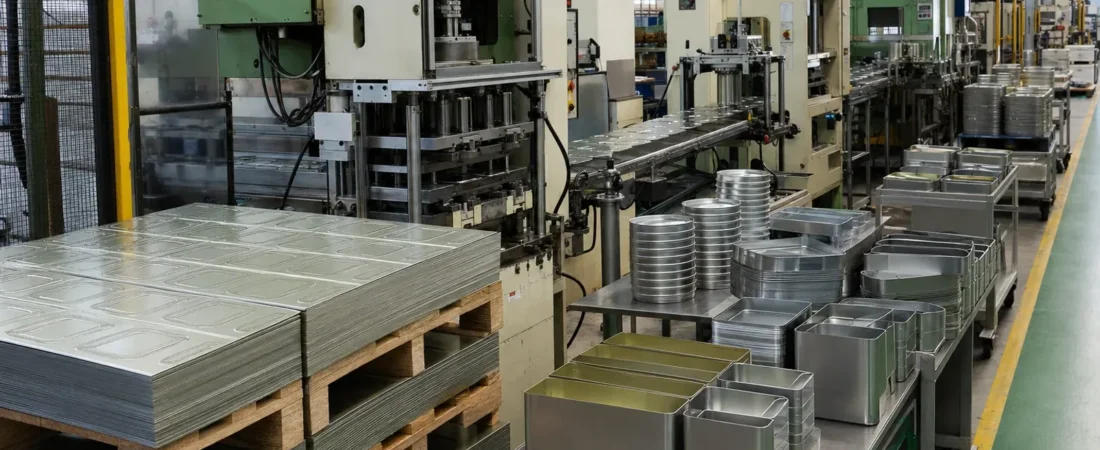
Packaging format determines which materials, equipment, tooling and converting steps may be required. Stand-up pouches, flat-bottom pouches, side-gusset bags and rollstock use different construction and production routes. Paper packaging may require printing, die cutting, folding and assembly. Metal packaging may involve printing, forming, assembly and project-specific tooling.
Complexity also exists within one format. Dimensions, gussets, zippers, valves, windows, spouts, special shapes, finishes and custom tooling can change the project sequence. A nominally simple format is not automatically faster, and a complex format is not automatically slower in every production environment. Timing should be evaluated from the approved specification and available manufacturing route.
Buyers comparing common flexible formats can review the Pouch Format Selection Guide. The appropriate format should be selected for product fit, filling, display and distribution requirements before a project schedule is treated as reliable.
Materials and Barrier Structure
Material planning can affect both pre-production and production. A project may use an established material route or require a specialized laminate, foil, metallized layer, paper-based structure, coating or sealant system. Material availability, minimum procurement requirements and preparation steps vary by specification and supplier. No specific material should be described as universally faster or slower without reviewing the actual supply route.
Barrier requirements should be defined before materials are approved. Oxygen, moisture, light, aroma, product compatibility, seal performance and distribution conditions may influence the complete structure. Changing the barrier specification after artwork or sampling can require renewed review of materials, dimensions, print compatibility and sealing conditions.
The Packaging Barrier Structure Guide explains how performance requirements relate to a complete construction. The Flexible Packaging Materials Guide describes the possible roles of PET, PE, BOPP, foil and paper within that construction.
Printing Method and Tooling
Printing preparation depends on the selected method and approved artwork. Rotogravure commonly uses engraved cylinders, while flexographic printing uses plates. Digital workflows use different file preparation and press requirements. Color expectations, repeat dimensions, substrate compatibility, version count and production quantity all influence which method is commercially and technically appropriate.
Tooling preparation and proof approval should be included in the project plan where applicable. Repeat orders may reuse approved cylinders, plates or other tooling when the dimensions, artwork and tooling condition remain suitable, but reuse should not be assumed before review. Digital printing should not be described as automatically faster because the complete schedule also depends on materials, capacity, finishing and approval requirements.
The Packaging Printing Options Guide compares the production considerations without assigning universal volume or timing rankings.
Artwork and Proof Approval
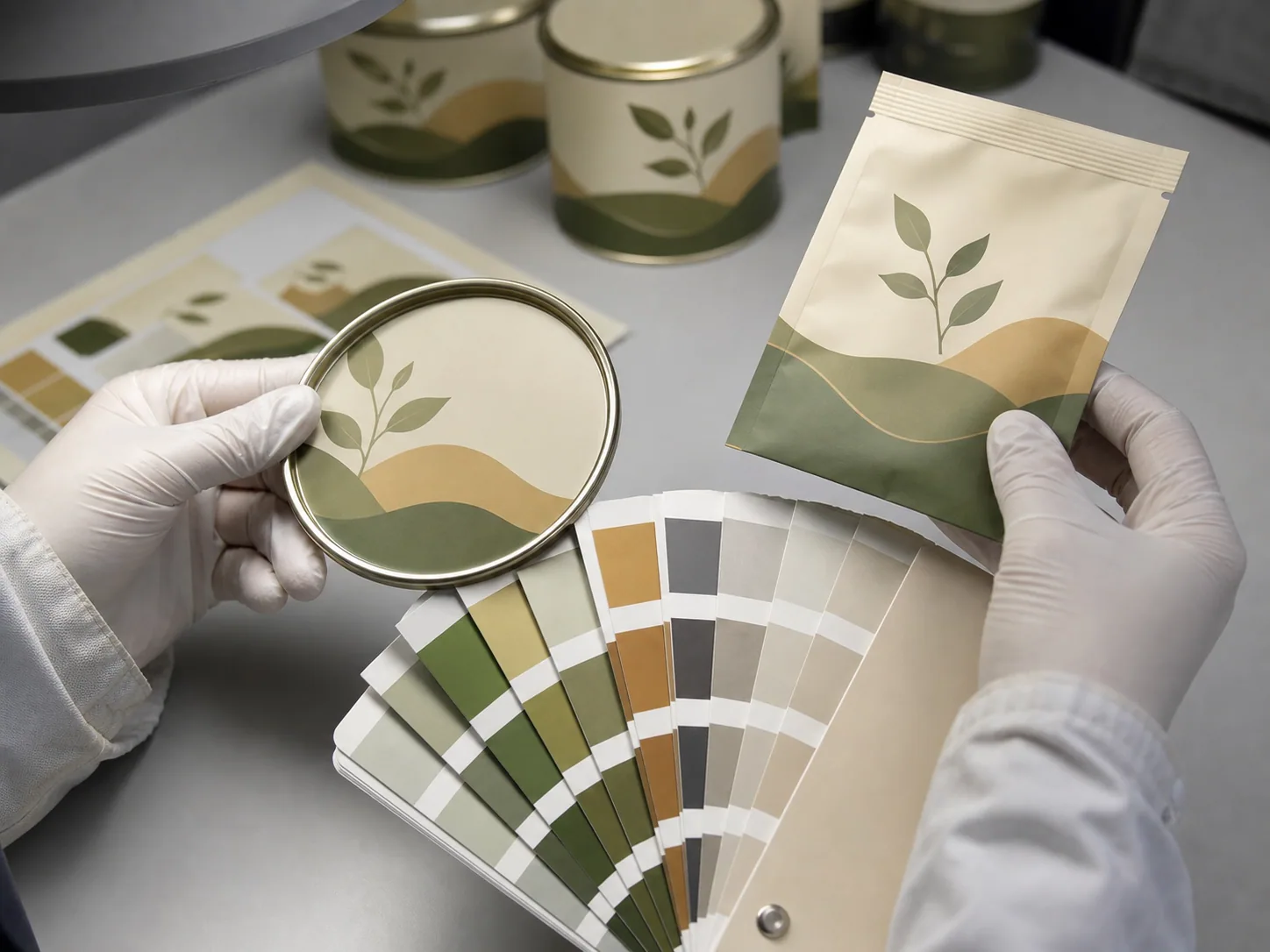
Artwork is a frequent source of preventable scheduling delay because production-ready files depend on an approved structure and dieline. Buyers should confirm finished dimensions, panel orientation, seal areas, zipper or valve positions, color expectations, barcode placement where applicable and any required product or regulatory copy supplied by the buyer.
The supplier may prepare a proof or production file for review, but the buyer remains responsible for providing and approving its required content. Revision cycles can extend the pre-production stage, especially when dimensions, claims, colors or artwork versions continue changing. Final approval should identify the exact file and version authorized for production.
This is a project-control issue rather than legal advice. Buyers should obtain appropriate regulatory or legal review for their market and product rather than assuming a packaging supplier confirms legal compliance.
Samples and Prototypes
Sampling requirements vary according to what the project needs to prove. A structural sample may help review size, shape and fit. An unprinted sample may support material or closure review. A printed prototype may support artwork, placement or appearance decisions. A production sample may be relevant in selected projects where the agreed process requires it.
Not every project requires every sample type. The buyer and supplier should define the purpose, material, printing level, quantity, approval criteria and decision owner before sampling begins. A sample that answers only an appearance question should not be treated as proof of every production or performance requirement.
Number of SKUs and Artwork Versions
Multiple SKUs can add file preparation, proofing, print setup, scheduling and approval work even when the packages share one format and material structure. Each design may require its own approved artwork, barcode, color review and production quantity. Late additions can affect the commercial basis and require the production plan to be reviewed again.
Total project quantity and quantity per SKU are separate planning considerations. A program with one total quantity divided among several designs is not operationally identical to one design using the same total. The Packaging MOQ Guide explains how format, materials, printing, tooling, components and quantity per design can affect the practical minimum.
Closures, Valves and Special Components
Zippers, one-way degassing valves, spouts, caps, windows, handles, fitments and other features can introduce separate sourcing, placement, compatibility and inspection requirements. A component may have its own procurement conditions or require an additional converting operation.
These features should be defined with the package structure and filling process, not added after the project has already been scheduled. Buyers should provide the component type, location, intended use and any approved reference sample where available. The effect on timing remains project-specific and should be confirmed before approval.
Production Scheduling and Converting
Production scheduling begins only after the required commercial, technical and approval inputs are in place. The sequence may include material preparation, printing, lamination or coating, curing where applicable, slitting, pouch converting, die cutting, folding, forming, assembly and packing. The exact route depends on the packaging format and specification.
Capacity should be considered together with process sequence. A packaging component can be available while a later converting operation is still scheduled. Likewise, one operation may be complete while another approved component is pending. The Manufacturing page outlines the broader workflow from project review and sampling through production, inspection, packing and shipment.
Quality Control and Pre-Shipment Approval
Quality review is part of the project plan, not an optional activity added after production. Project-appropriate checks may cover dimensions, print, materials, workmanship, seals, closures and conformance to approved specifications. The applicable checks depend on the package, intended use and agreed inspection requirements.
Buyers should clarify whether inspection information, samples or another release step must be reviewed before shipment. If customer approval is required, the authorized reviewer and response process should be planned in advance. Quality control does not guarantee zero defects, and not every test applies to every project.
The Packaging Quality Control Buyer Checklist explains how buyers can define references, inspection scope and approval criteria. The Quality page describes Royal Pack Group’s broader quality approach.
Shipping and Transit Time
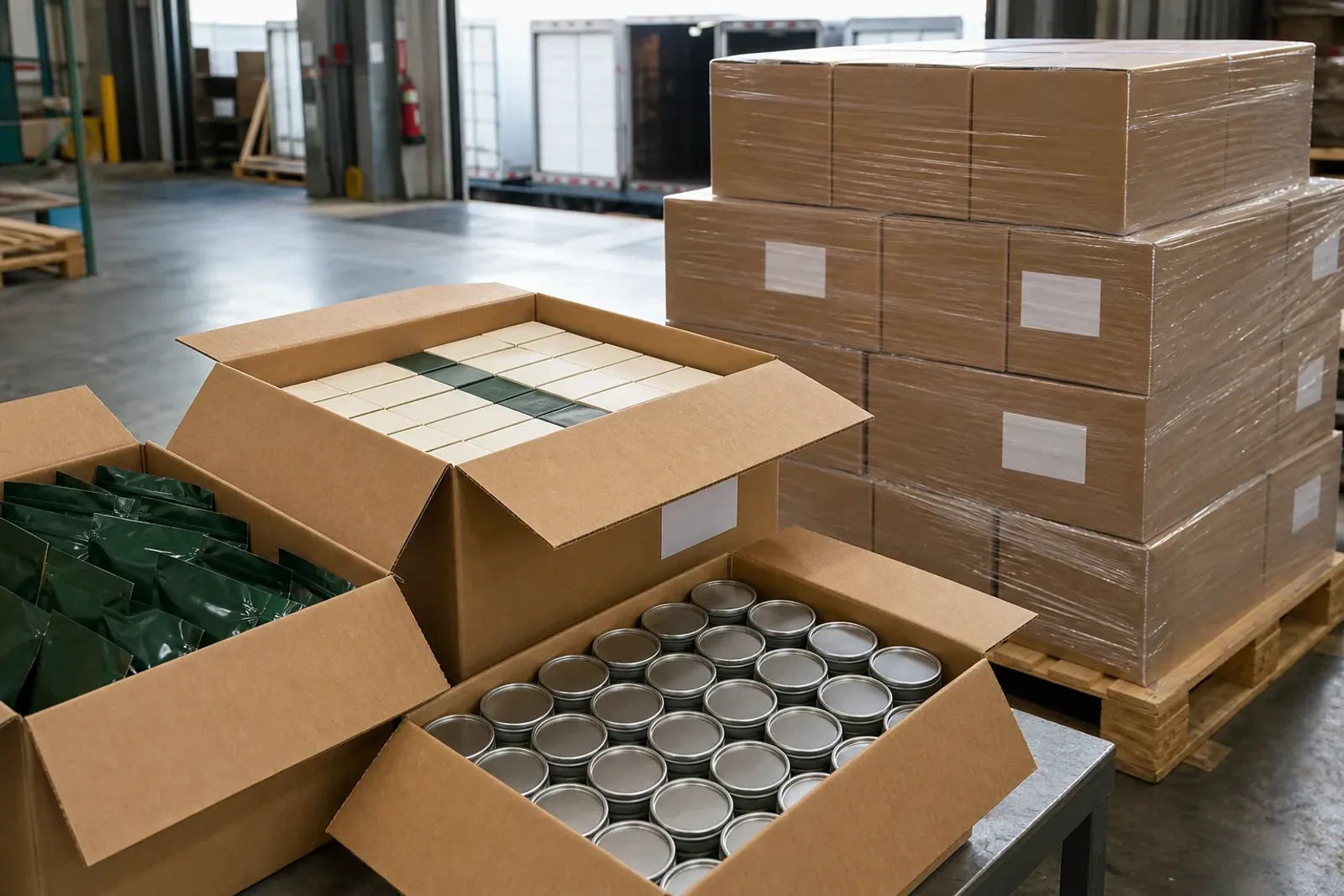
Production completion and delivery date are different milestones. Finished packaging may still require final packing, pallet preparation, dispatch coordination and transit. Shipping method, destination, shipment size, carrier schedules, customs or import procedures where applicable, and external disruptions can all affect delivery planning.
Buyers should confirm whether a supplier’s date refers to goods ready for shipment, carrier collection, port departure or expected delivery. Transit estimates and customs processes are outside a packaging manufacturer’s complete control and should not be treated as firm delivery commitments.
What Buyers Can Do to Avoid Preventable Delays
Buyers cannot remove every source of schedule variation, but they can reduce preventable delay by defining the project earlier and assigning clear approval responsibilities. The following actions improve schedule visibility without guaranteeing a specific lead time:
- Finalize the packaging format and dimensions before artwork approval.
- Define material, barrier and seal requirements with the intended application.
- Provide production-ready artwork and identify all SKU versions.
- Confirm closures, valves, windows and special features at the start.
- State the purpose and approval criteria for required samples.
- Communicate the target launch date and shipping destination.
- Identify authorized proof, sample and shipment approvers.
- Review proofs and requested decisions promptly.
- Avoid late changes to dimensions, materials, components or artwork.
- Share forecast and repeat-order information when it helps production planning.
Common Packaging Timeline Mistakes
- Requesting a delivery date before the specification is defined.
- Using “lead time” without confirming its start and end milestones.
- Confusing quotation time with production lead time.
- Ignoring artwork preparation and proof approval.
- Assuming every project requires the same sampling process.
- Adding SKUs or artwork versions after the schedule is prepared.
- Changing materials, dimensions or components after approval.
- Treating production completion as the delivery date.
- Planning backward from launch after key decisions are already late.
- Assuming a repeat order is automatically identical to the previous run.
Packaging Project Timeline Checklist
| Information | Why It Matters for Scheduling |
|---|---|
| Packaging format | Defines the production and converting route. |
| Dimensions | Supports dielines, material planning, tooling and machine setup. |
| Material / barrier | Determines structure review, compatibility and procurement requirements. |
| Printing method | Affects file preparation, tooling, setup and production planning. |
| Number of SKUs | Shows how many artwork versions require preparation and approval. |
| Quantity / quantity per SKU | Supports production planning for the program and each design. |
| Closures / special features | Identifies component sourcing and additional converting operations. |
| Artwork status | Shows whether proofs and print preparation can proceed. |
| Sampling requirement | Defines what must be demonstrated before production approval. |
| Testing / approval requirement | Identifies project-specific quality checks and release decisions. |
| Target launch date | Provides the commercial planning milestone without creating a guarantee. |
| Shipping destination | Supports packing, logistics and transit planning. |
| Repeat-order status | Shows whether prior specifications, artwork or tooling require confirmation. |
This checklist supports project planning. It does not establish or guarantee a production date, delivery date or universal lead time.
FAQ
What is packaging lead time?
Packaging lead time is the elapsed time associated with a defined part of a packaging project. Buyers should confirm the starting milestone, ending milestone and included activities because the term may refer to production only or to a broader part of the project.
How long does custom packaging take?
There is no universal duration. Timing depends on the specification, materials, printing, tooling, artwork and sample approvals, number of SKUs, production requirements, quality review and shipping plan. A realistic schedule can be prepared only after those requirements and milestones are understood.
What factors affect packaging production lead time?
Format, dimensions, material availability, barrier structure, printing method, tooling, closures, converting steps, production scheduling and inspection requirements can affect production lead time. Buyer approval timing can affect the broader project schedule.
Does printing method affect packaging lead time?
It can. Rotogravure, flexographic and digital printing use different preparation, tooling and production routes. The effect depends on the material, artwork, colors, quantity, version count, finishing and available capacity; no method is always the fastest.
Do samples add time to a packaging project?
Sampling is a separate project stage when it is required. Timing depends on whether the project needs a structural sample, unprinted sample, printed prototype or another agreed sample type, as well as the review and revision process. Not every project requires every sample.
Can packaging lead time be shortened?
Clear specifications, complete artwork, defined SKU quantities, early component decisions and prompt approvals can reduce preventable delay. They do not guarantee a particular lead time, and technical, material, production and shipping requirements still need to be reviewed.
What information should I provide to get a realistic project schedule?
Provide the packaging format, dimensions, material or barrier requirements, total quantity, quantity per SKU, number of designs, printing expectations, closures or special features, artwork status, sampling and testing requirements, target timing and shipping destination.
Related Packaging Resources
- Pouch Format Selection Guide
- Packaging Barrier Structure Guide
- Flexible Packaging Materials Guide
- Packaging Printing Options Guide
- Packaging Quality Control Buyer Checklist
- Packaging MOQ Guide
- Flexible Packaging
- Manufacturing
- Quality
Request a Quote
To review a packaging project schedule, provide the packaging format, dimensions, material or barrier requirements, total quantity, quantity per SKU, number of designs, closures or special features, artwork status, sampling or testing requirements, target timing and shipping destination. Submit the project through Request a Quote. A practical schedule can be discussed after the complete project requirements and approval milestones are understood.